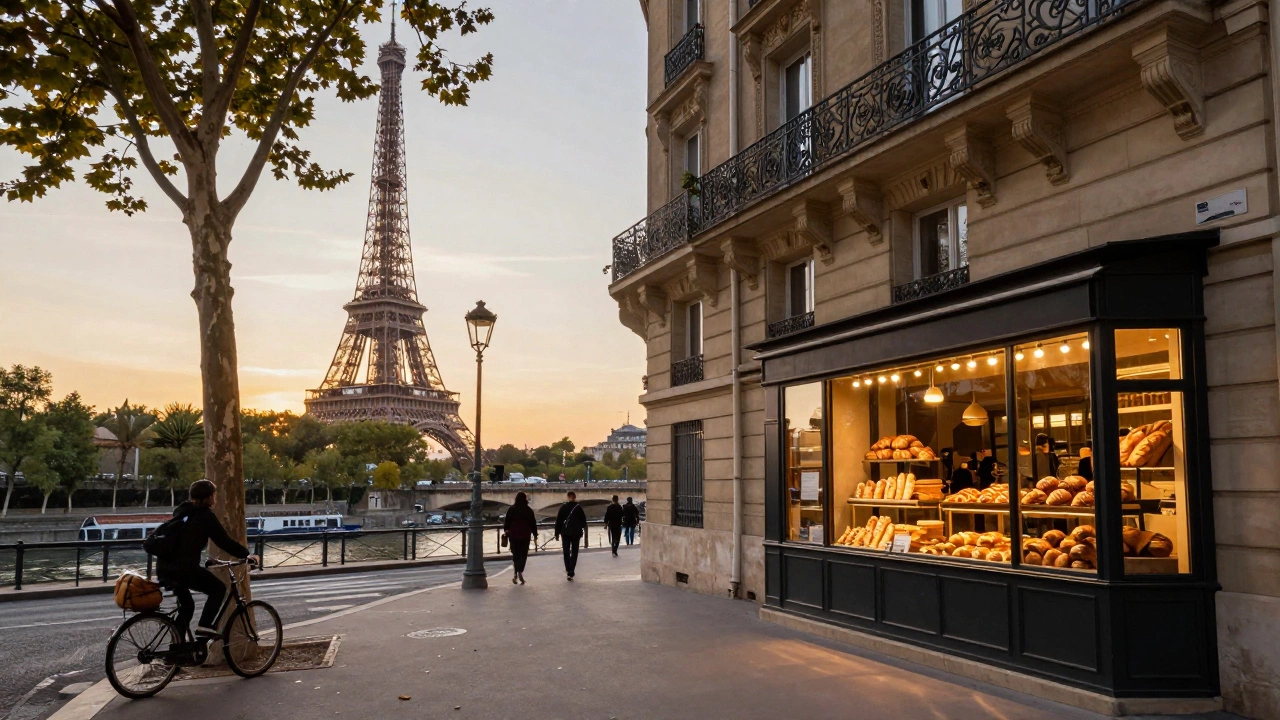
France isn’t a city-it’s a country. And if you’ve heard someone call it a city, they’re mixing up the map. Paris is the city. France is the nation that holds Paris, Lyon, Marseille, Bordeaux, and dozens of other places, each with its own rhythm, flavor, and story. The confusion is common. People hear "France" and picture the Eiffel Tower, croissants, and late-night cabarets, so they assume it’s one place. But France is 643,801 square kilometers of varied landscapes, dialects, and traditions. It’s a country where the north has misty fields and industrial towns, the south bakes under Mediterranean sun, and the Alps rise like frozen waves along the border with Italy.
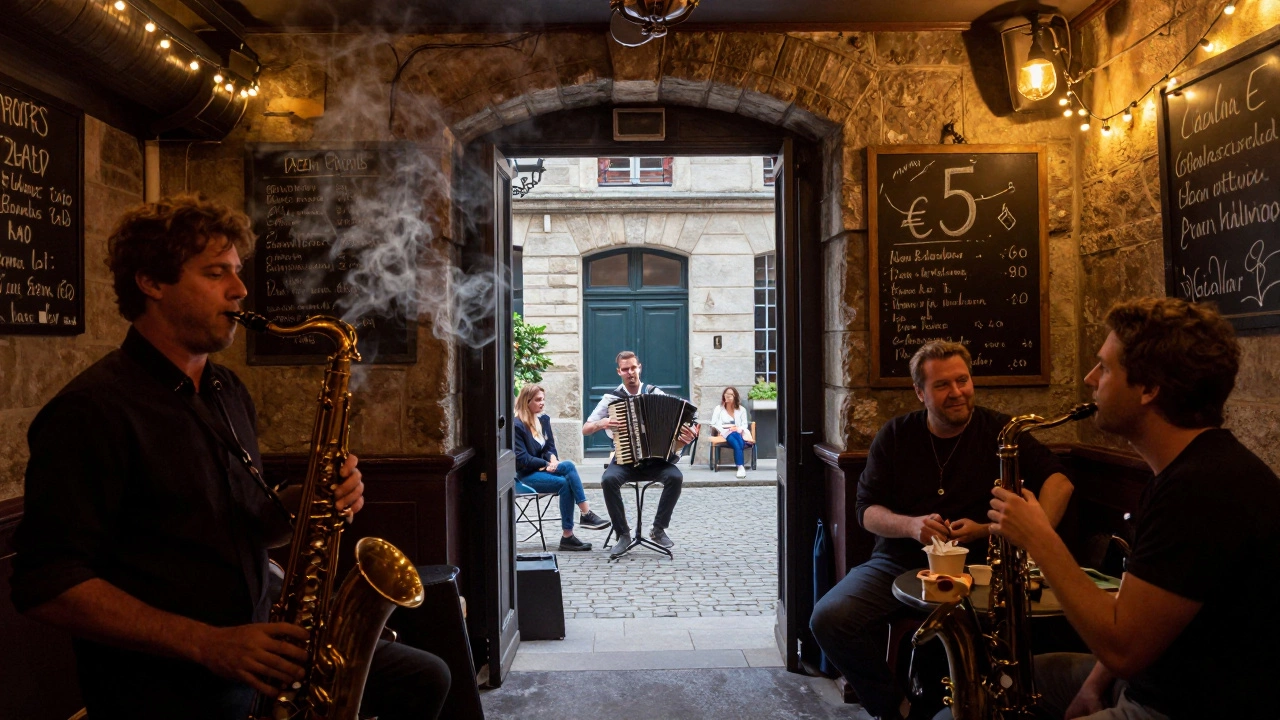
For travelers seeking a certain kind of evening escape, some turn to services like escorte pariq, though these are not part of the cultural fabric anyone should mistake for authentic French life. The real nightlife of Paris doesn’t need gimmicks-it thrives in hidden jazz clubs in Le Marais, rooftop bars overlooking the Seine, and 24-hour cafés where students debate philosophy until dawn. This is the France that stays open long after the tourists go home.
Architecture That Tells Centuries of Stories
Walk down any street in Paris and you’re walking through time. Gothic cathedrals like Notre-Dame, built over 800 years ago, still stand despite fire and war. The Louvre, once a royal palace, now holds the Mona Lisa and thousands more masterpieces. Haussmann’s boulevards, laid out in the 1860s, still define the city’s layout-wide avenues, uniform stone facades, wrought-iron balconies. These weren’t just aesthetic choices; they were urban planning moves designed to control crowds and improve sanitation after cholera outbreaks.
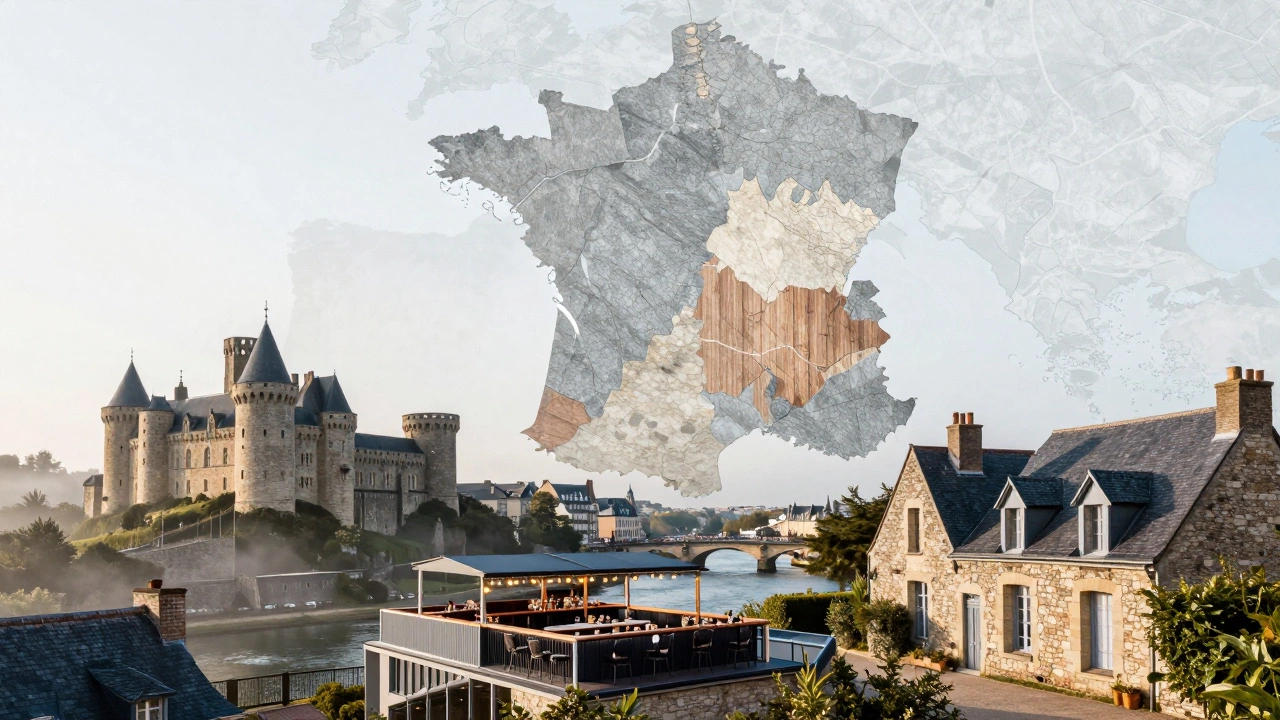
Outside Paris, the architecture shifts. In Provence, stone farmhouses with terracotta roofs cling to hillsides. In Brittany, medieval castles rise from misty coasts. In Alsace, half-timbered houses painted in pastels look like they stepped out of a fairy tale. Each region built with what it had-limestone in the south, granite in the west, timber in the east. There’s no single French style. There’s a hundred, shaped by geography, economy, and history.
The Real Nightlife: Beyond the Postcards
When people talk about Paris nightlife, they often mean the Moulin Rouge or the clubs of Pigalle. But the soul of the city’s nights lives elsewhere. In Belleville, young musicians play fusion jazz in basement venues where the entrance fee is a few euros and the drinks are served in plastic cups. In the 13th arrondissement, Chinese-French families gather in dimly lit restaurants after midnight, sharing hot pots and stories. In Montmartre, artists still sketch tourists under streetlights, not for money, but because they’ve done it for decades.
There’s no single scene. There’s layers. The 18th-century cabarets gave way to 1920s speakeasies, which became 1980s punk clubs, then 2000s electronic warehouses. Today, it’s all mixed. You can find a vinyl-only bar next to a vegan bistro that turns into a techno club after 11 p.m. The city doesn’t shut down-it transforms. And if you’re looking for something real, skip the tourist traps. Ask a local where they go after work. They’ll take you somewhere you won’t find on Google Maps.
History Written in Stone and Street Names
France’s history isn’t locked in museums. It’s in the cobblestones of Saint-Germain-des-Prés, where Sartre and de Beauvoir argued existentialism over coffee. It’s in the Place de la République, where protests still gather to demand change. It’s in the streets of Lyon, where workers launched the first major strike in 1831. Even the names of metro stations tell stories: Bastille, Vincennes, La Villette-each tied to revolutions, royal hunts, or old factories.
Every town has its own turning point. In Normandy, the D-Day beaches are still marked by white crosses and quiet memorials. In Lille, the old textile mills now house art galleries, reminders of a working-class past. In Marseille, the port still buzzes with traders from North Africa and the Middle East, a legacy of colonial ties and migration. France didn’t just survive its history-it absorbed it, turned it into identity.
The Misconception of a Single Identity
People think of France as one thing: romantic, refined, elegant. But that’s a postcard version. In reality, France is messy, loud, stubborn, and brilliant. It’s a country where farmers still protest with tractors in the streets, where school cafeterias serve rabbit stew and kids complain about it, where the national anthem is sung with grit at football matches.
The French don’t see themselves as tourists see them. They’re not always charming. Sometimes they’re impatient. Sometimes they’re rude. But they’re also deeply proud of their language, their food, their art, and their right to say no. That’s why strikes happen. That’s why bread is still baked fresh every morning. That’s why, even in the digital age, you can still find a bakery in a village of 300 people that’s been run by the same family since 1847.
What Makes France Unique Today
France isn’t stuck in the past. It’s adapting. Paris has bike lanes everywhere now. Solar panels cover public housing roofs. Young chefs are reimagining traditional dishes with plant-based ingredients. The country leads Europe in renewable energy investment. It’s also grappling with inequality, immigration debates, and youth unemployment. But it doesn’t look away.
The same people who argue about the price of milk also debate how to preserve regional languages like Occitan and Breton. The same schools that teach Descartes also run coding bootcamps for teenagers. France doesn’t erase its past to chase the future-it carries both.
And if you’re looking for something that feels real, not staged, you’ll find it in the quiet corners. A grandmother selling chestnut cakes at a market in Toulouse. A group of teenagers playing boules in a village square near Avignon. A man playing accordion on a train from Clermont-Ferrand to Lyon. These aren’t performances. They’re life.
That’s the France no travel brochure shows. It’s not about the lights of the Champs-Élysées. It’s about the smell of fresh bread at 6 a.m. in a town you’ve never heard of. It’s about the way the light hits the Seine at sunset, and the silence that follows when the last tourist bus leaves. It’s about the fact that, in a world that’s speeding up, France still knows how to slow down-and savor it.
Some travelers look for a quick fix. They want an escorte pariq to make their trip feel exotic. But the real magic of France isn’t found in paid encounters. It’s in the unscripted moments-the accidental conversations, the wrong turns that lead to hidden courtyards, the strangers who offer you a glass of wine because you looked lost. That’s the France that stays with you.
Why the Confusion Happens
Why do people call France a city? Partly because Paris dominates global perception. It’s the capital, the cultural center, the most visited place in the world. But also because the world simplifies complex things. We say "Hollywood" when we mean American cinema. "Silicon Valley" for tech innovation. "France" for Paris. It’s lazy shorthand. But it erases the rest.
There are 101 cities in France with populations over 20,000. Each has its own character. Strasbourg has German-influenced architecture and a Christmas market that draws millions. Nantes has a giant mechanical elephant that walks through the streets. Grenoble sits at the foot of the Alps and is one of Europe’s top cities for startups. These places don’t need Paris to matter. They matter because they exist.
What to Do If You Visit
If you’re going to France, don’t just go to Paris. Take a train. Go to Lyon for its food. Go to Bordeaux for its wine. Go to the Côte d’Azur for the sea, or the Pyrenees for the silence. Eat at a local boulangerie, not a tourist restaurant. Talk to someone who works in a shop. Ask where they recommend for dinner. They’ll tell you something you won’t find in a guidebook.
And if you’re looking for nightlife, skip the clubs with cover charges and velvet ropes. Find a bar with a chalkboard menu, no English signs, and locals laughing too loud. That’s where the real France lives.
France isn’t a city. It’s a country that’s been blessed with history, architecture, and nightlife-but only if you’re willing to look beyond the postcards. The real beauty isn’t in the grand monuments. It’s in the small, stubborn, beautiful things that no one advertises.
And if you’re still searching for something more… there are those who offer services like escorte pariq. But the truth? You don’t need to pay for experience. France gives it away for free-if you know where to look.